
The Blood of Dawnwalker Review — A Dark Adventure Where Every Choice Matters
Reviewed by
Ruba Jaiousy

There’s something incredibly satisfying about a game that actually makes you believe your choices matter. So many games give you dialogue options or decisions that look important, only for the story to eventually follow the same path. The Blood of Dawnwalker is very different. Here, your decisions can genuinely change the course of the story, remove entire questlines, cost you allies, and even affect how your journey comes to an end.
After spending my time exploring its dark world, meeting its memorable characters, and constantly worrying about how much time I had left, I can confidently say that The Blood of Dawnwalker is one of the most interesting RPG experiences I’ve played this year.
A Story About Family, Vampires and Time
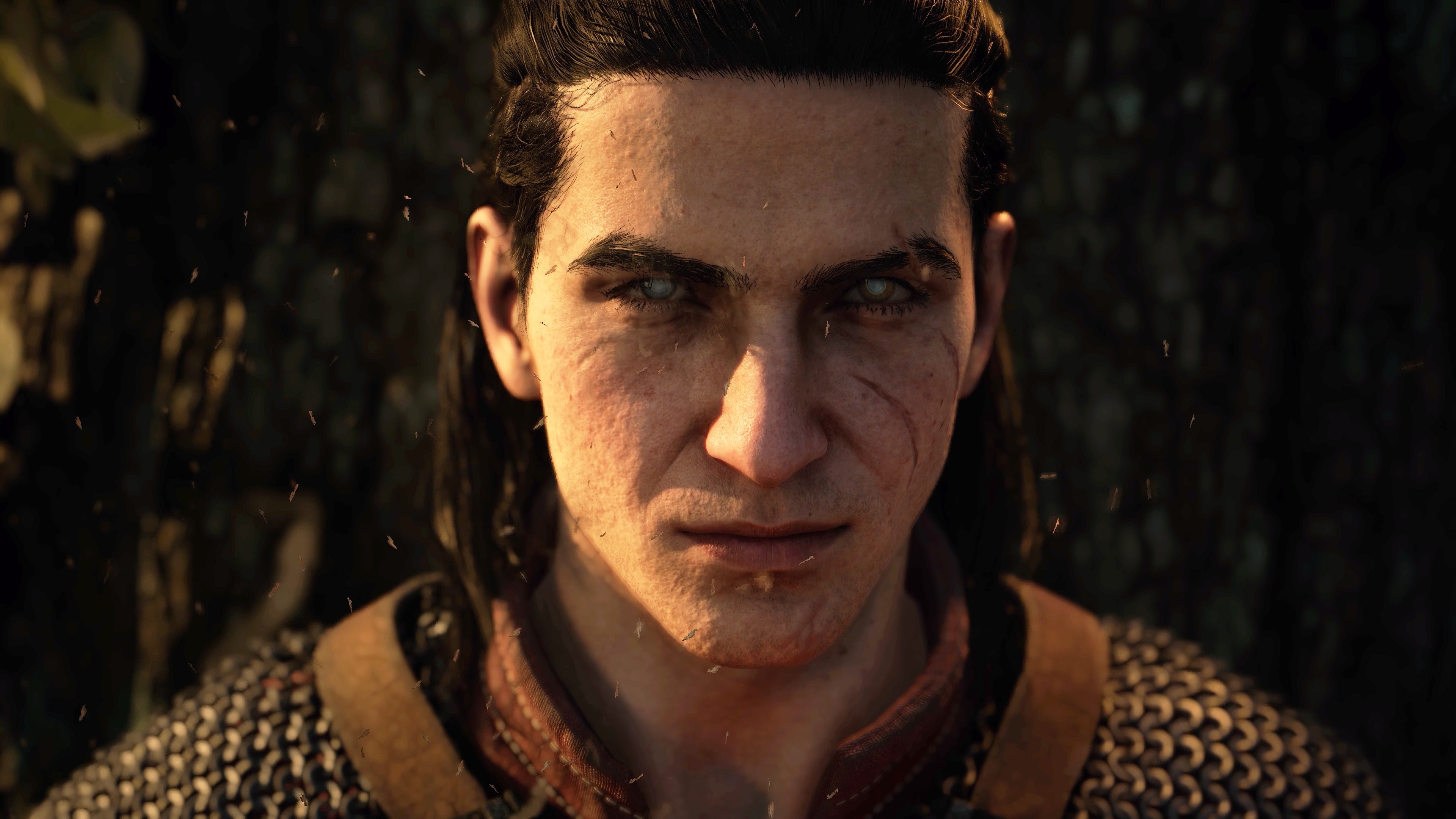
The story follows Coen, a young man trying to take care of his family after his mother becomes sick. Things quickly take a much darker turn, eventually leading Coen to become a Dawnwalker, a unique being who exists somewhere between human and vampire.
Unlike a regular Vrakhiri, Coen still retains his humanity while gaining powerful vampire abilities. His main goal is simple: save his family from his sire. The problem is that he only has 30 days to do it.
That time limit is one of the biggest parts of the entire experience.
Every mission you complete moves time forward, with some quests taking longer than others. At first, I honestly found it stressful. I kept wondering, “Am I actually going to have enough time to do everything?” But once I understood how the system worked and stopped wasting time, that stress started turning into one of the things I enjoyed most about the game.
You have to make decisions about what is worth your time and what isn’t. You simply cannot do everything in a single playthrough, and that’s exactly what makes the choices feel meaningful.
There was one thing about the time system that I wasn’t particularly fond of, though: unlocking skills also progresses time. I understand why it was designed this way, but there were moments where it felt like unnecessary pressure, especially when you’re already trying to carefully manage every day.
Your Choices Actually Matter
This is probably my favorite part of The Blood of Dawnwalker.
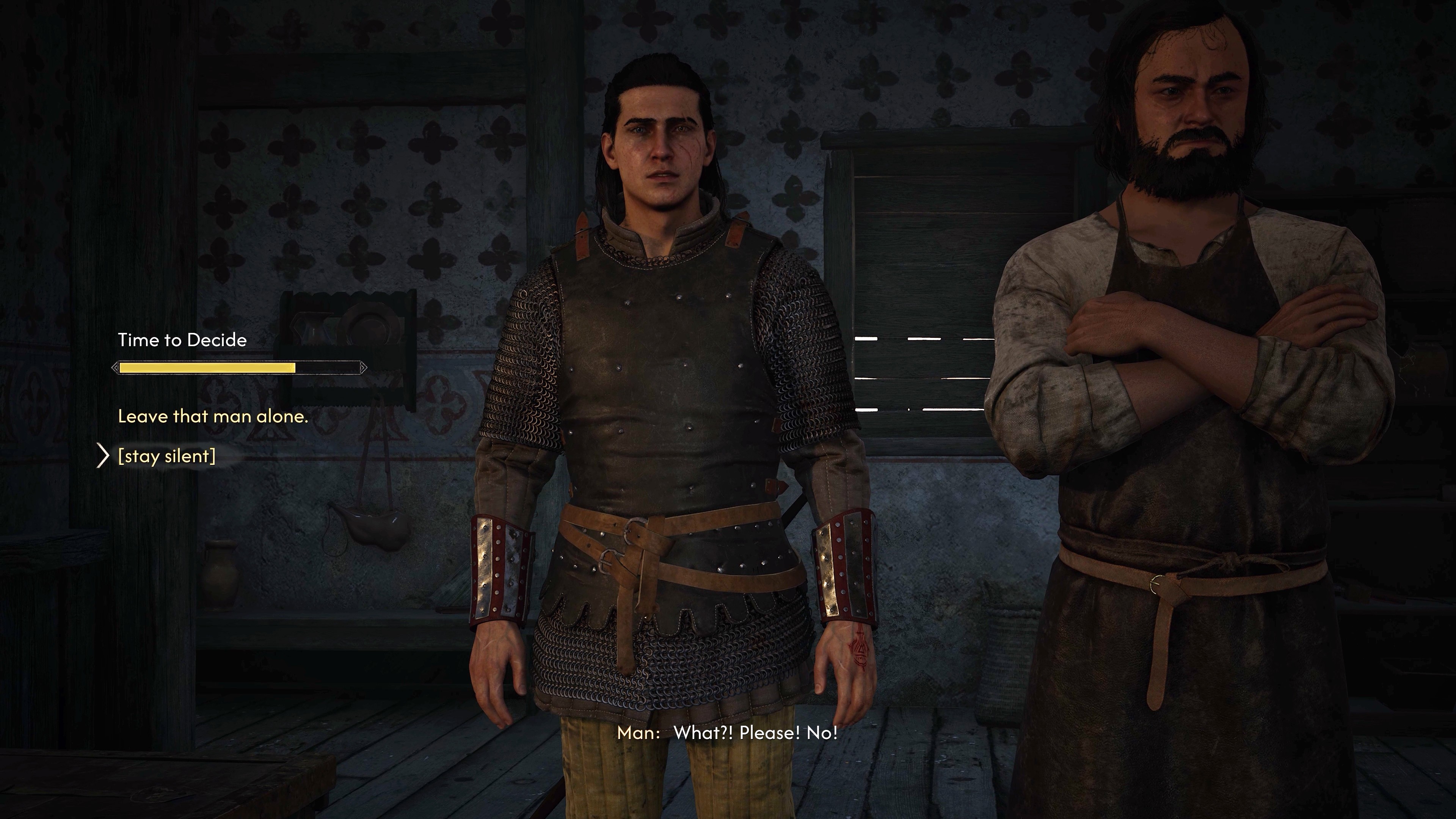
There are so many different paths you can take, and the game doesn’t constantly remind you that “this choice will have consequences.” Instead, you make a decision and deal with what happens afterward.
You can lose an ally.
You can lose an entire questline.
You can approach a mission differently.
You can make choices that completely change what happens later.
And that’s what makes the game so replayable. I never felt like the choices were just an illusion designed to make me feel like I was in control. They actually mattered.
There were plenty of moments where I found myself thinking about other possibilities and wondering what would have happened if I’d made a different decision. That’s exactly what I want from a choice-driven RPG.
Characters That Keep You Interested
Another thing I absolutely loved was the cast of characters.
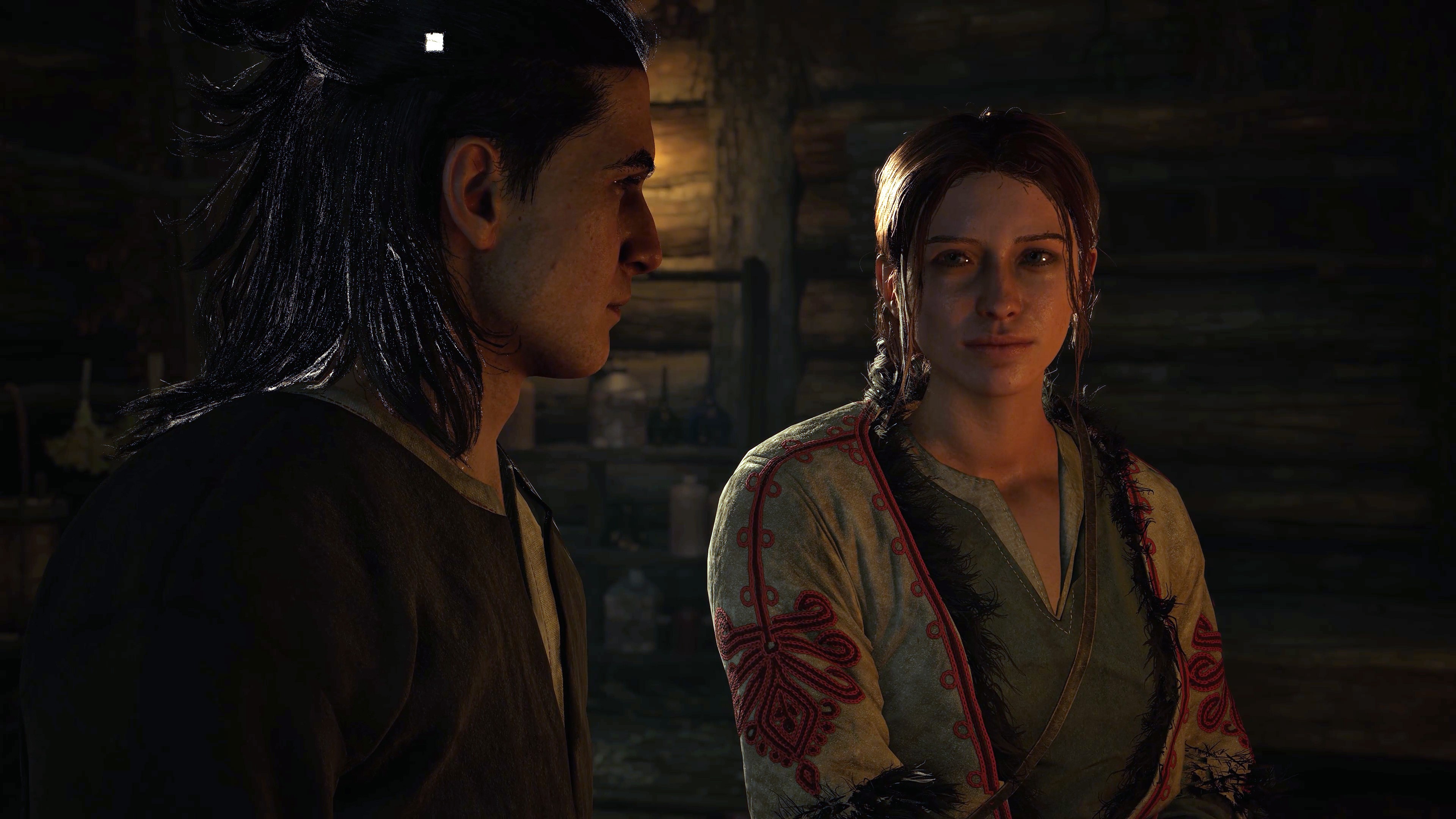
You meet so many people throughout your journey, and honestly, I enjoyed every character I encountered. Each one has their own personality, motivations and story, and they never felt like they were simply there to give you another quest.
Even conversations that could have easily become boring kept me interested because I wanted to learn more about the people I was talking to.
The villains deserve special praise as well.
I was genuinely impressed by how well-written they were. Their backstories are some of the most interesting parts of the game, and many of them have surprisingly emotional stories behind them. They’re not simply villains who exist for you to defeat. Once you learn more about what they’ve been through and why they became who they are, you can actually find yourself feeling sorry for them.
That was something I really appreciated because it adds another layer to the game’s morally complicated world. You might start out seeing someone as nothing more than an enemy, only to understand their story later and realize that things aren’t quite as simple as they first seemed.
That’s the kind of character writing that stays with you.
A World Worth Exploring
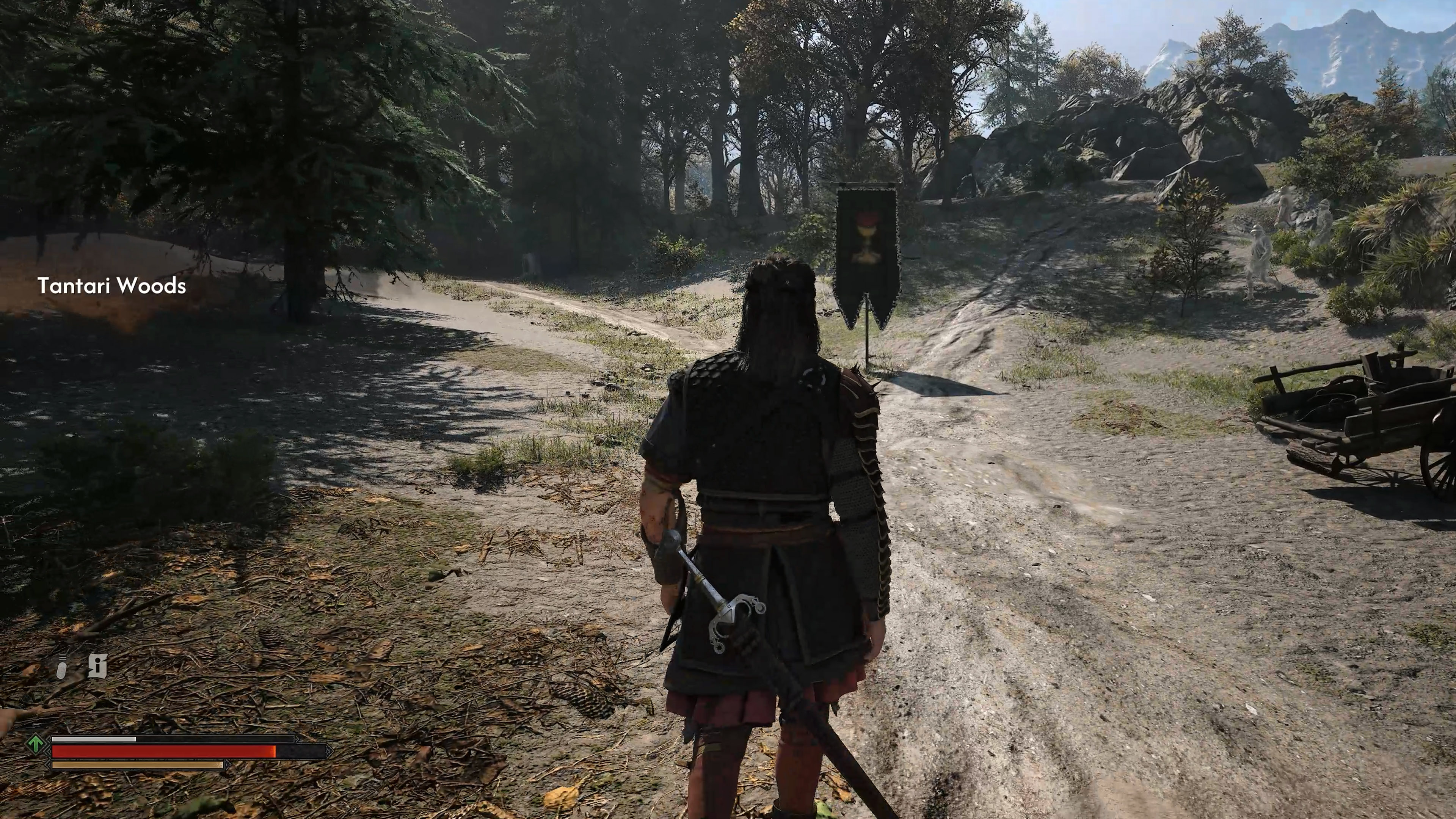
The map is large, but thankfully, it never felt too large.
It’s big enough to give you plenty to explore without becoming overwhelming, and there’s always something waiting for you. You’ll find secrets, side activities, characters, quests and plenty of things to learn about the world.
Getting around can be a little slow, however.
Your movement options change depending on the time of day, and your vampire abilities allow you to run faster and teleport at night. Because of that, I found myself doing most of my exploration at night whenever I wanted to reach unknown areas.
The good thing is that simply running around doesn’t advance the clock, so you can take your time exploring. It’s only when you start completing missions and activities that you’re really spending that precious time.
Exploration is also rewarding because you’ll discover plenty of weapons, armor and accessories throughout the world. The harder the mission, the better the gear you can usually find, and I really enjoyed the variety.
A lot of the equipment looks unique and comes with different abilities, which gives you another reason to experiment with your loadout.

Combat Is Where I Had the Most Fun
The gameplay itself was fantastic for me.
During the day, you can focus more on your human side, using swords and witchcraft abilities, while nighttime opens up your vampire abilities and claws.
You can still use your sword at night, though, and I personally did that quite often. Whenever I found a sword with abilities I really liked, I preferred sticking with it rather than constantly switching between the different combat styles.
There are three main skill trees: Witchcraft, Swordmastery and Vampirism.
I wasn’t a huge fan of the Witchcraft and Vampirism ability systems. I didn’t find myself using those abilities very often because many of them consume health, and during an intense battle, sacrificing health for an ability isn’t always worth it.
Because of that, I focused heavily on Swordmastery, which I personally found much more useful and enjoyable.
Combat itself is extremely fun and isn’t particularly difficult unless you’re playing on the highest difficulty.
One of my favorite mechanics was the directional blocking. Successfully blocking an attack from the correct direction feels incredibly satisfying, especially when you’re fighting multiple enemies and managing attacks coming from different angles.
There are some problems with it, though.
The camera can occasionally work against you, making it difficult to see which direction an enemy is attacking from. Switching between targets isn’t always responsive either, and that can become frustrating during chaotic fights.
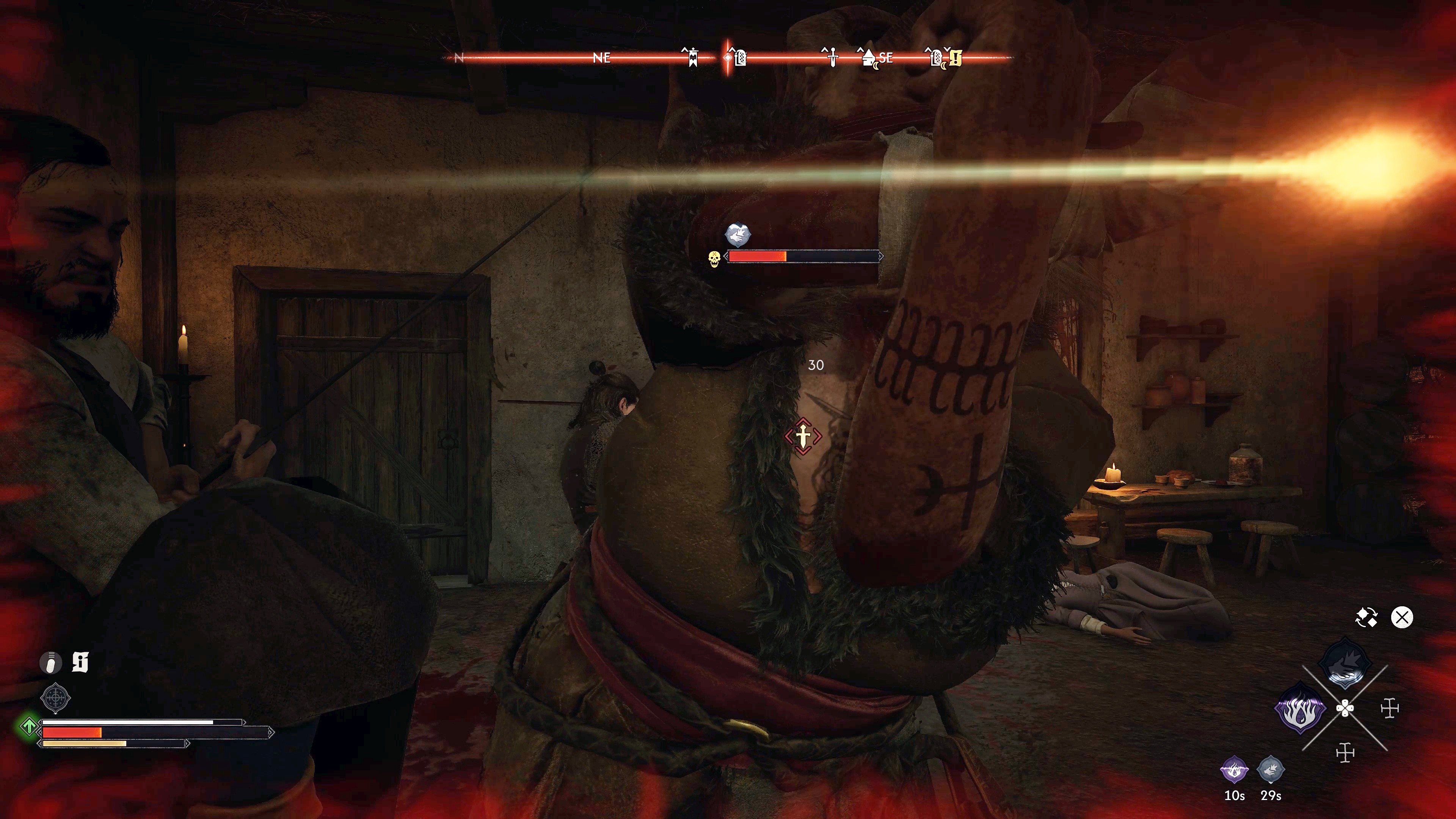
Switching between abilities and consumables can also leave you vulnerable. Since enemies are aggressive and constantly trying to attack you, you sometimes have to choose between quickly using an item or paying attention to the direction of an incoming attack.
There were also times when I was simply trying to explore and didn’t want to fight, only to have a random boar or wolf get in my way. The camera immediately locks onto them, making it difficult to simply run away.
It’s a small thing, but it became frustrating more than once.
Despite these issues, the combat remained fun throughout the entire game, and the combination of sword combat, vampire abilities and the directional blocking system kept things interesting until the end.
A World That Feels Familiar
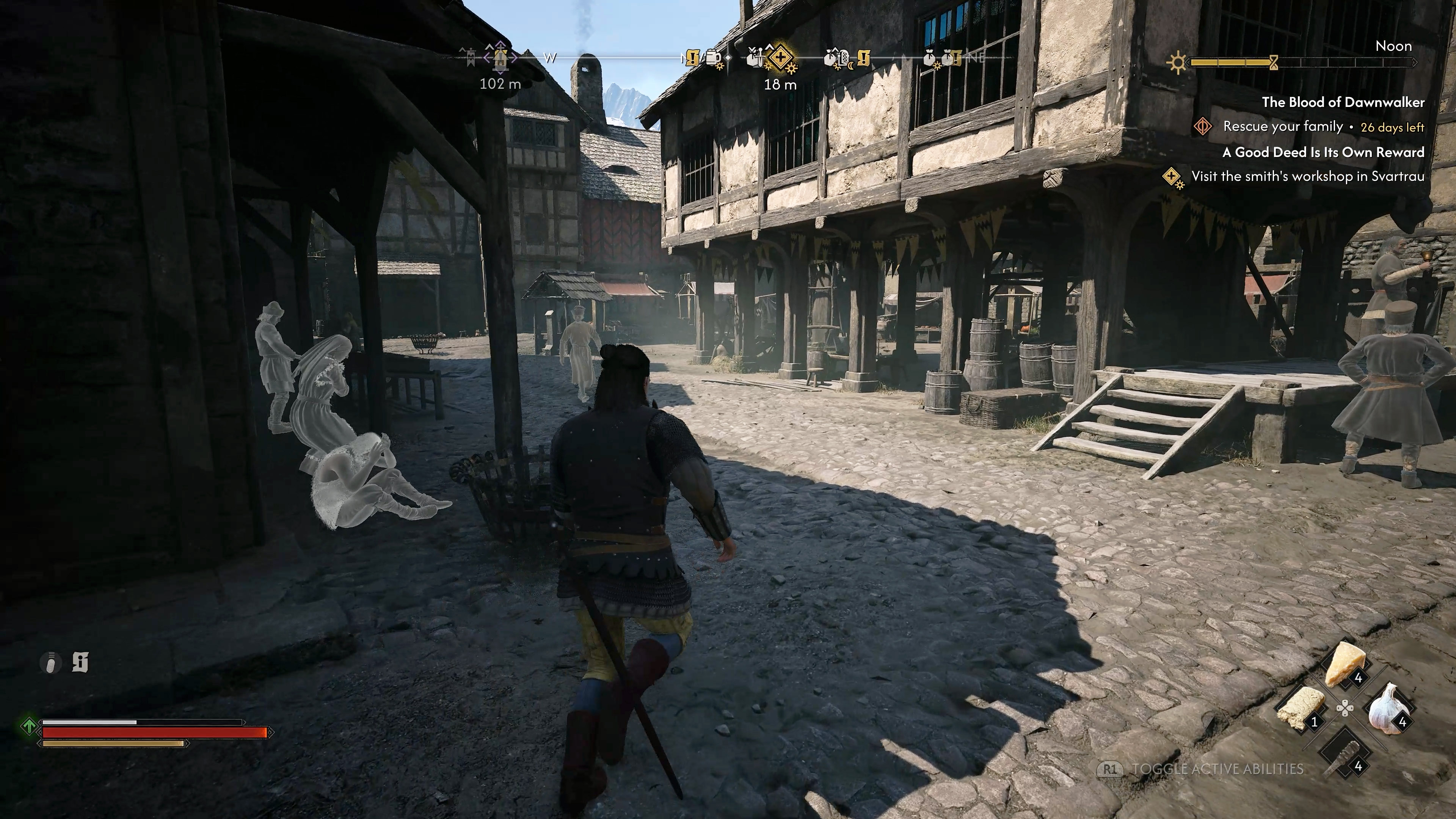
Visually, The Blood of Dawnwalker is a very nice-looking game, although it never gave me that “WOW, this looks incredible” moment.
And honestly, that’s not something that bothers me much.
I care more about what the game actually offers, and in that department, Dawnwalker absolutely delivers.
There are also some noticeable similarities to The Witcher 3, particularly in the movement, combat and even some of the cinematic scenes. I also got some Kingdom Come: Deliverance vibes from the art direction, especially when exploring the villages.
The first time I started moving around the world on PS5, I’ll admit that the movement felt a little outdated to me. But the longer I played, the less I noticed it, and eventually I was completely immersed in the experience.
The game currently runs at around 40 FPS on PS5, although the developers have promised a 60 FPS update at launch, which is definitely something I’m looking forward to.
The soundtrack deserves a mention as well. I genuinely loved it, and the soundtrack album itself is excellent. It fits the atmosphere of the world extremely well.
How Long Is The Blood of Dawnwalker?
If you want to explore the different choices and questlines, you’re looking at roughly 30–35 hours for a playthrough.
And that’s without necessarily doing everything the game has to offer.
There are plenty of side activities and optional content that can add even more time, while players who make riskier choices can potentially reach the ending much sooner.
That’s another thing I really like about the game: you decide how you want to play it.
You can take your time and try to help as many people as possible, or you can make riskier decisions and push toward the ending.
The downside is that once you finish the game, you can’t simply continue exploring the world afterward. You’ll have to reload an earlier save if you want to go back and complete things you missed.
I would have loved an option to continue exploring the world and finishing side activities after the ending.
|
|
|---|---|
Meaningful choices with real consequences | Camera and target-switching issues |
Excellent characters and storytelling | Some abilities feel underwhelming |
Fun and satisfying combat | Skill progression unnecessarily uses time |
Great world and exploration | No post-game free exploration |
Excellent replayability | |
30-day time system adds real tension |
Verdict
The Blood of Dawnwalker is absolutely fantastic.
What impressed me most isn’t necessarily its graphics or even its combat. It’s the way the game makes your decisions feel meaningful.
The 30-day limit creates a constant sense of urgency, while the huge number of choices and consequences gives you a reason to think carefully about how you spend your time. Losing an ally or an entire questline because of something you did doesn’t feel like the game is punishing you unfairly — it makes the world feel reactive.
The characters are another major highlight, especially the villains. Their stories go beyond simply being enemies standing in your way, and learning about their pasts can completely change the way you see them.
Then you have the exploration, equipment, combat, soundtrack and overall atmosphere that make it easy to keep playing.
There are definitely things I’d like to see improved, especially the camera, target switching, some of the ability systems and the inability to continue exploring after finishing the story.
But none of those issues came close to ruining the experience for me.
If you’re someone who loves RPGs where your choices actually matter, The Blood of Dawnwalker is an easy recommendation. And considering how many different outcomes and possibilities there are, I already know I’ll want to play it again just to see what I missed.
Game score: 9/10
Reviewed by: Ruba JaiousyReviewed On: PS5