
Star Wars Zero Company Review — A Strong Foundation That Doesn’t Quite Reach the Stars
Reviewed by
Ruba Jaiousy

There is something about putting a tactical strategy game in the Star Wars universe that feels like it should have happened years ago. Star Wars Zero Company finally makes that combination a reality, putting you in command of a group of mercenaries during the Clone Wars and throwing you into a campaign filled with dangerous missions, questionable decisions, and a surprisingly memorable group of characters.
The result is a solid tactical RPG with a lot of good ideas, but one that gradually lost some of its appeal the longer I played.
Zero Company starts with a simple goal: make money and keep the squad going. Things obviously don’t stay that simple for long. As you travel across the galaxy, you meet all kinds of characters, take on increasingly dangerous jobs, and find yourself caught up in events that are much bigger than the company initially expected.
The story gets more interesting as it progresses, and there are some genuinely good moments along the way. However, I found that very few scenes actually stayed with me after putting the game down. The story is perfectly serviceable, but it was the characters themselves that kept me invested far more than the overarching plot.

The Characters Are the Heart of Zero Company
My favorite part of Zero Company was getting to know the operators.
Each character has their own personality, background, and reasons for joining the company. Spending time with them aboard the ship, talking to them between missions, and eventually unlocking their personal missions made me surprisingly attached to the squad.
These personal missions are especially important because they’re some of the best opportunities the game gives you to understand your operators. They’re not simply interchangeable soldiers that you send into battle. You learn who they are, what motivates them, and how they interact with the rest of the company.
That makes the game’s Bonding system one of my favorite ideas.
Operators can develop relationships with one another, unlocking bonuses that improve how they work together in battle. Things like assisting each other with damage, increasing health, and unlocking other benefits make these relationships matter beyond the dialogue.
It’s a clever way of tying the game’s character-driven side directly into its tactical gameplay.
The downside is that managing all of these bonds can become tedious. There are a lot of combinations to work through, and keeping track of everything isn’t always as enjoyable as actually getting to know the characters.
Still, the idea is excellent, and it was easily the part of the game I enjoyed the most.

Familiar, But Effective Tactical Combat
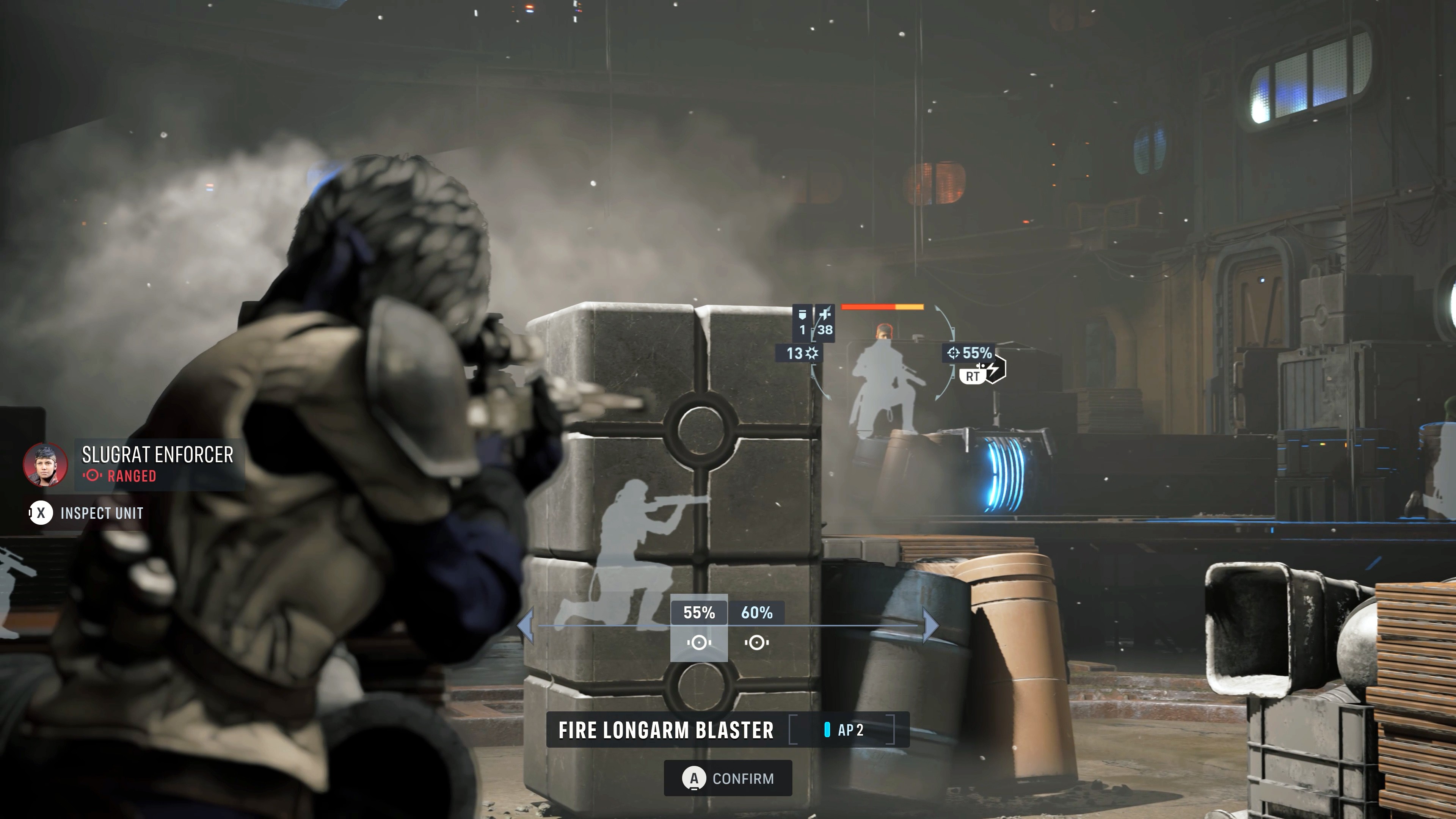
If you’ve played XCOM or similar turn-based strategy games, you’ll feel right at home here.
Combat is built around positioning, cover, abilities, teamwork, and making the most of every turn. You need to think about which operators to bring into each mission and how their abilities complement one another.
And when it works, it works really well.
There is genuine satisfaction in setting up a turn, combining abilities, taking advantage of the environment, and watching your plan come together. The game gives you plenty of tools to work with, and once you understand how your squad functions, you can become incredibly powerful.
There is also a good amount of customization. You can change your operators’ outfits, modify weapons, equip utilities, unlock abilities, and continue developing your characters throughout the campaign.
I’d replace it with something more natural and less cliché:
Eventually, you reach a point where your squad feels perfectly suited to your playstyle. You know exactly what each operator brings to the battlefield, how their abilities work together, and which combinations can turn a difficult encounter in your favor.
Too Many Operators, Not Enough Reasons to Use Them
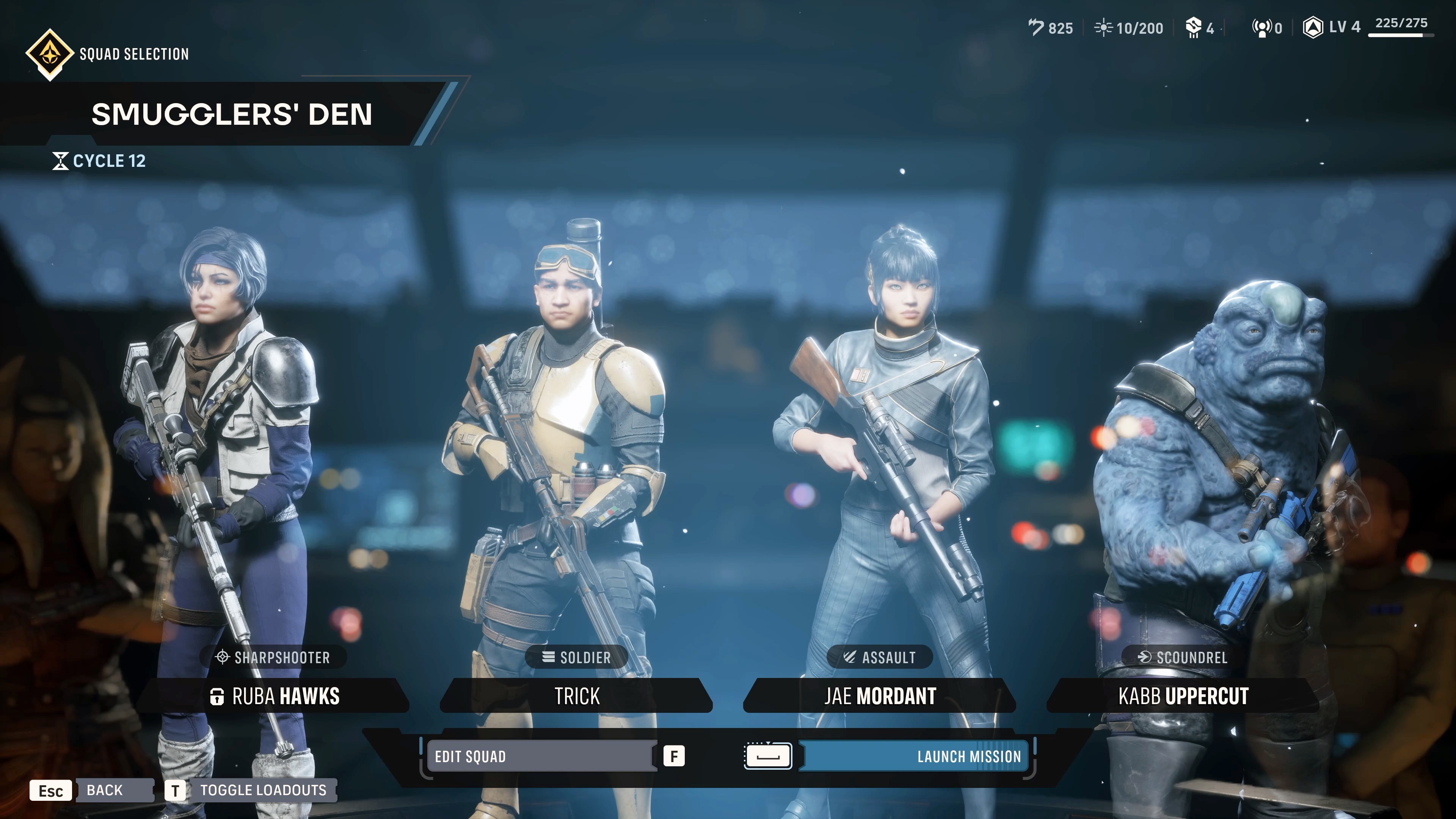
Zero Company has a fairly large roster of operators, but the number of classes available is much smaller in comparison.
This becomes even more noticeable because operators can eventually unlock another class later in the game. Once you’ve invested time into your favorite characters, leveled them up, developed their bonds, and unlocked their abilities, it becomes difficult to justify replacing them with some of the less important recruits.
Story-related operators naturally have more value because you want to experience their personal stories and missions. The other recruits, however, can sometimes feel like they’re there simply because the game needs to have a larger roster.
I would have liked more reasons to experiment with different characters and team compositions throughout the campaign.
The Galaxy Map Keeps You Making Decisions
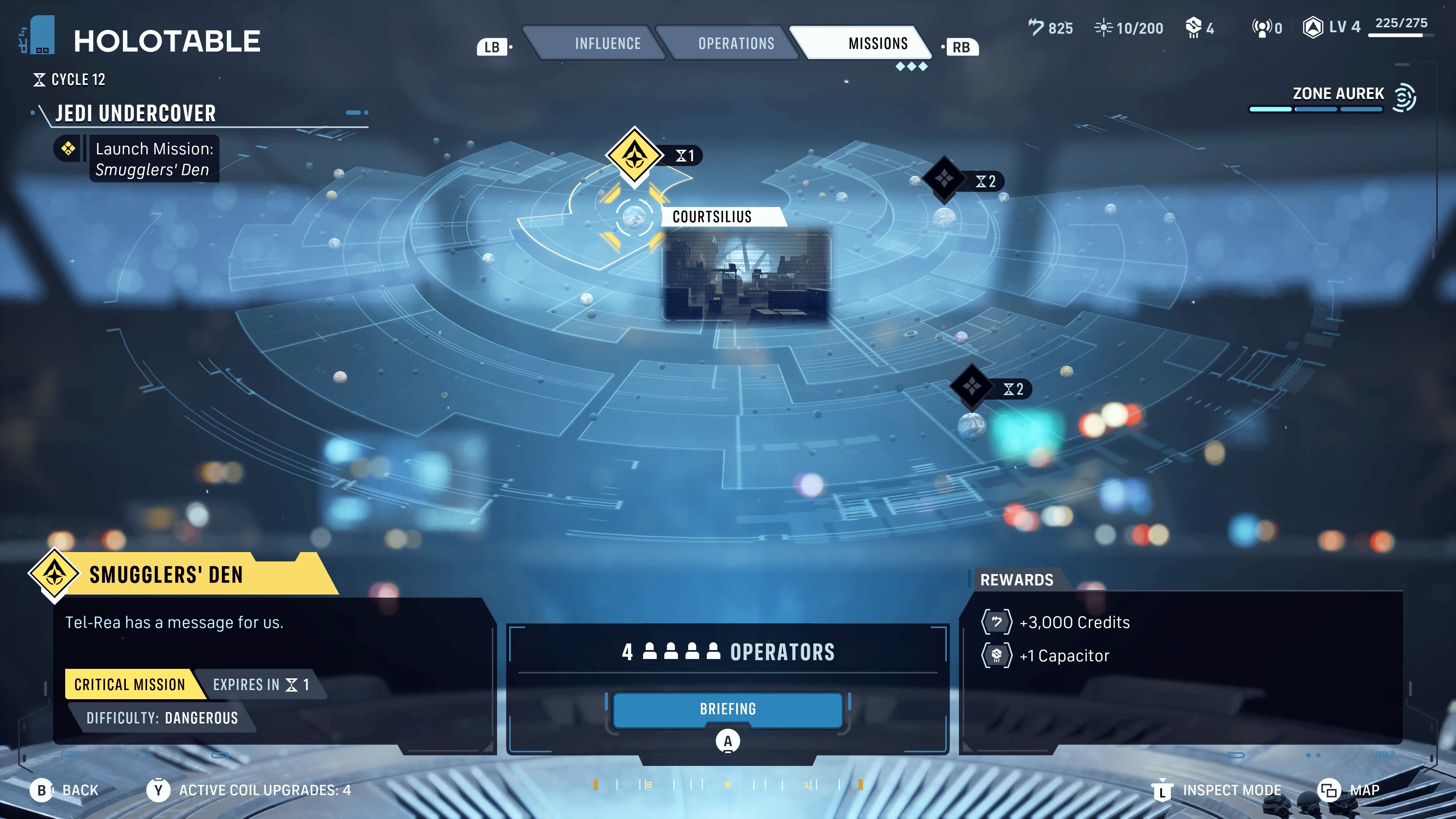
Outside of combat, you’re managing your base, upgrading your squad, gathering resources, and deciding which opportunities are worth pursuing.
Missions and activities on the map have time limits, which means you can’t simply do everything. You need to prioritize.
You can gather intel to reveal opportunities that may reward you with credits, loot, information, or advantages for upcoming missions. You also collect Focus Points to improve your characters and resources that help you develop your base.
This system adds a nice layer of decision-making because you’re constantly asking yourself:
What is worth doing right now?
And sometimes the answer isn’t obvious.
You can also miss important character missions if you aren’t paying attention. In some cases, failing to complete them can result in losing an operator permanently and missing their personal story.
I actually loved this aspect.
It made the characters feel like actual members of the company rather than disposable units. Knowing that ignoring something could have consequences gave me another reason to pay attention to the map and prioritize certain missions.
It also made the personal stories feel more meaningful because you knew they weren’t necessarily going to remain available forever.
The Battles Eventually Lose Their Spark
Unfortunately, this is where Zero Company started losing me.
The combat was genuinely fun at first. I enjoyed learning the mechanics, experimenting with different operators, and figuring out how to approach each encounter.
But after enough hours, the battles started to feel repetitive.
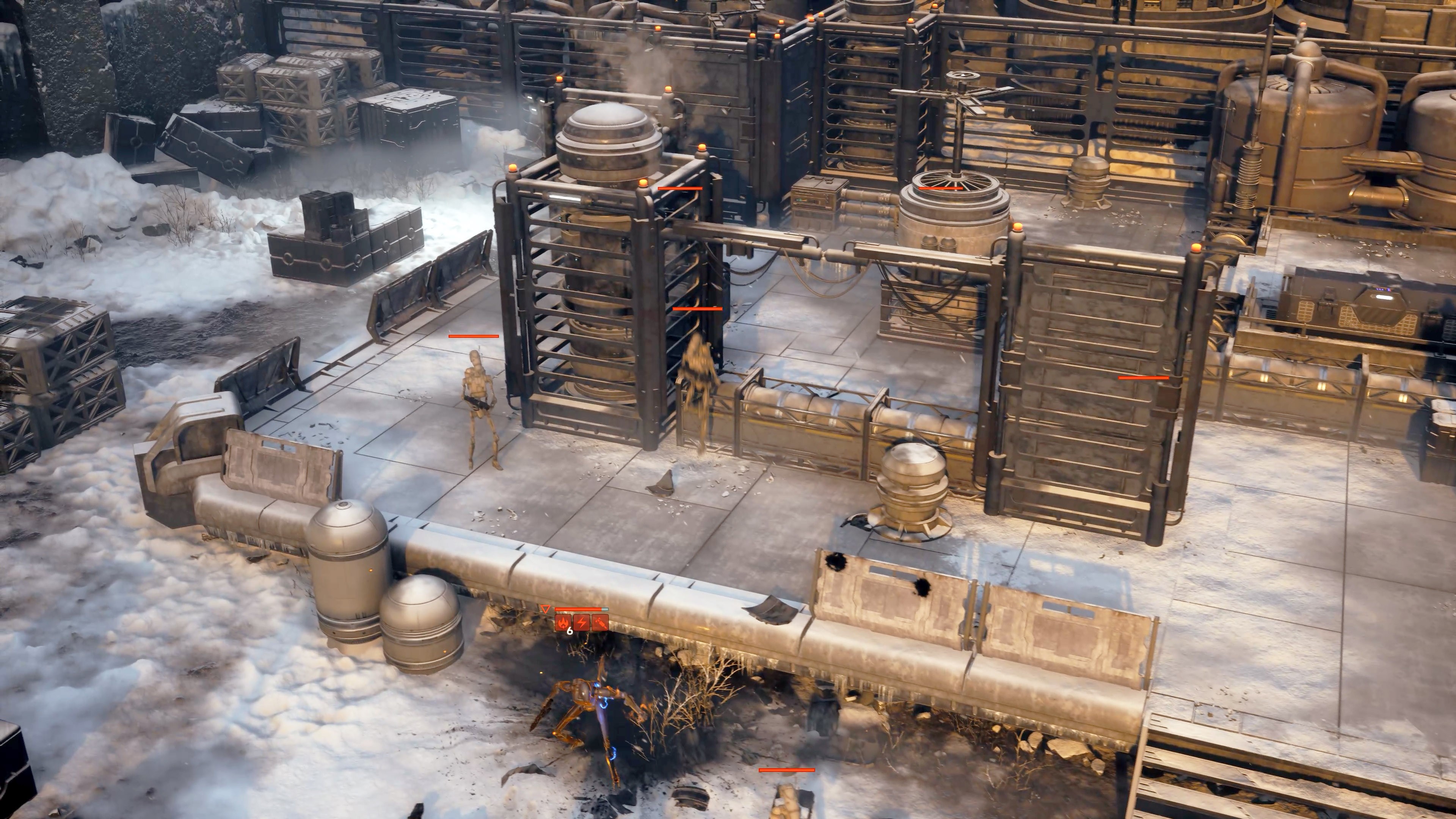
The underlying mechanics remain solid, but there is only so much excitement I can get from repeatedly moving into cover, attacking enemies, using abilities, and waiting for the opposing side to finish their turns.
Eventually, I found myself looking forward to the story and character interactions more than the battles themselves.
This is probably the biggest thing keeping Zero Company from being an exceptional tactical game for me. It doesn’t necessarily have bad combat — quite the opposite — but it doesn’t maintain the same level of excitement throughout the experience.
The formula is also intentionally familiar. If you’re coming from XCOM, you’ll recognize a lot of its DNA almost immediately. That’s not necessarily a bad thing, especially because the formula works so well with Star Wars, but I occasionally wished Zero Company had taken a few more risks of its own.
Give Me a Fast-Forward Button
One of my biggest frustrations is something that sounds incredibly minor:
There is no fast-forward option during enemy turns.
This becomes a real problem when battles start getting longer.
Some enemies take quite a while to complete their actions, and you’re left sitting there watching them move around the battlefield. When you’re already several hours into the campaign and encounters are becoming repetitive, that downtime becomes increasingly frustrating.
I really hope this is something that gets added.
I also encountered some bugs during combat. On multiple occasions, an enemy would freeze and simply refuse to finish its turn, forcing me to restart the entire battle.
There were other instances where I had to wait a couple of minutes before an enemy finally made its move.
These issues weren’t constant, but when they happened, they were incredibly frustrating — especially when you’ve already spent a considerable amount of time in a battle.

Free-Roaming Feels Like an Afterthought
Zero Company also features sections where you can freely walk around certain areas, particularly your ship.
I liked this when it gave me an opportunity to interact with my operators. Those conversations are some of the best parts of the game, so having a physical space where everyone can gather works well.
The actual free-roaming, however, felt unnecessary.
Outside of talking to characters or interacting with specific points, there isn’t much reason to explore. The camera also doesn’t look particularly good during these sections, and the presentation can make the game feel considerably more dated than it otherwise does.
Ironically, the free-roaming sections work best when they aren’t really about free-roaming at all — they’re at their best when they’re simply giving you another way to spend time with the characters.
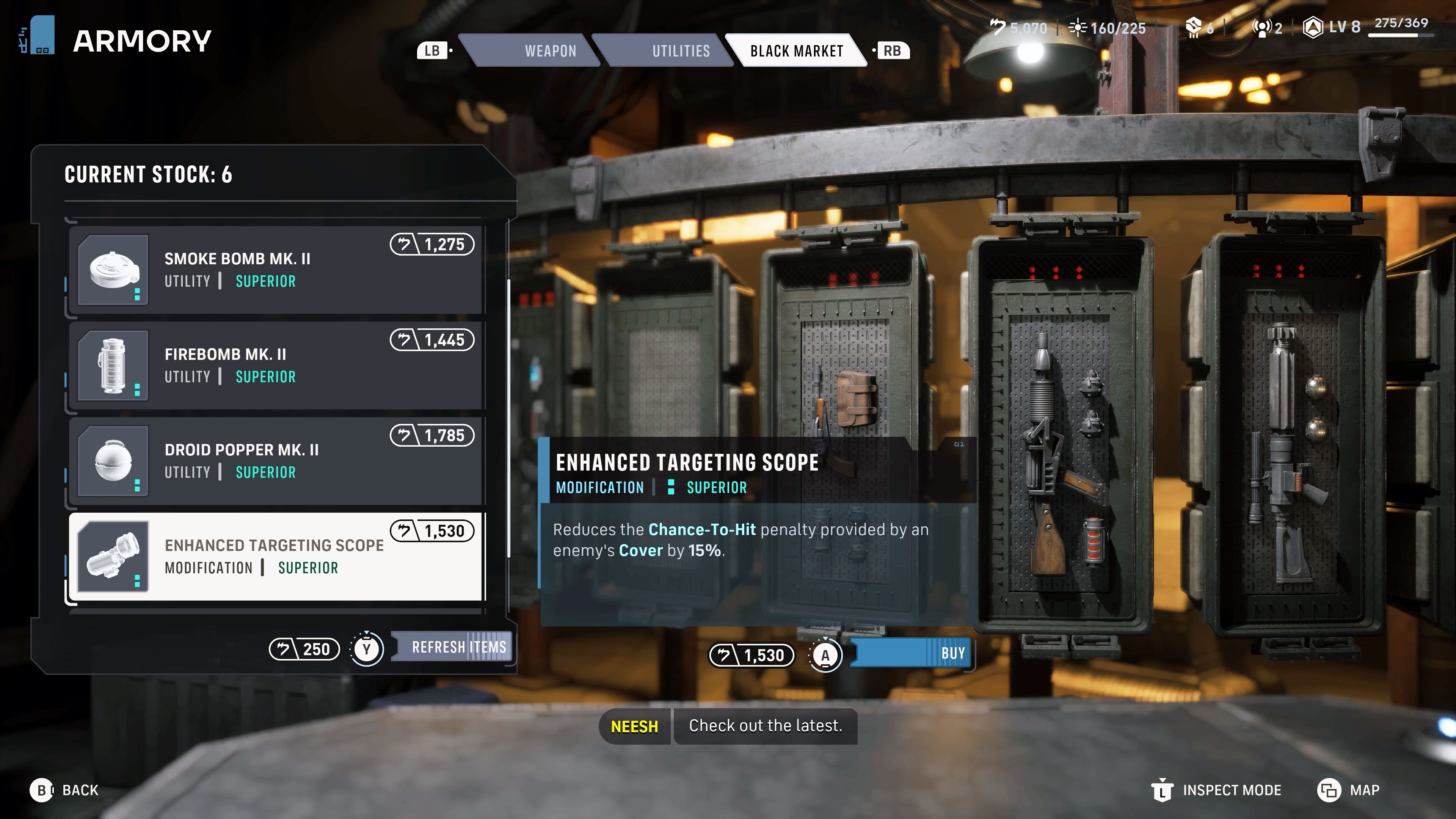
Customization Can Make You Unstoppable
There is plenty of equipment to experiment with.
You can customize your operators with different outfits, modify their weapons, and equip utilities that can provide useful advantages in combat.
As you progress and combine the right equipment with the right abilities and squad composition, your operators become extremely powerful.
Eventually, you can reach that satisfying point where you know exactly how your team works and have built them around your preferred playstyle.
That’s when the tactical side of the game is at its best.
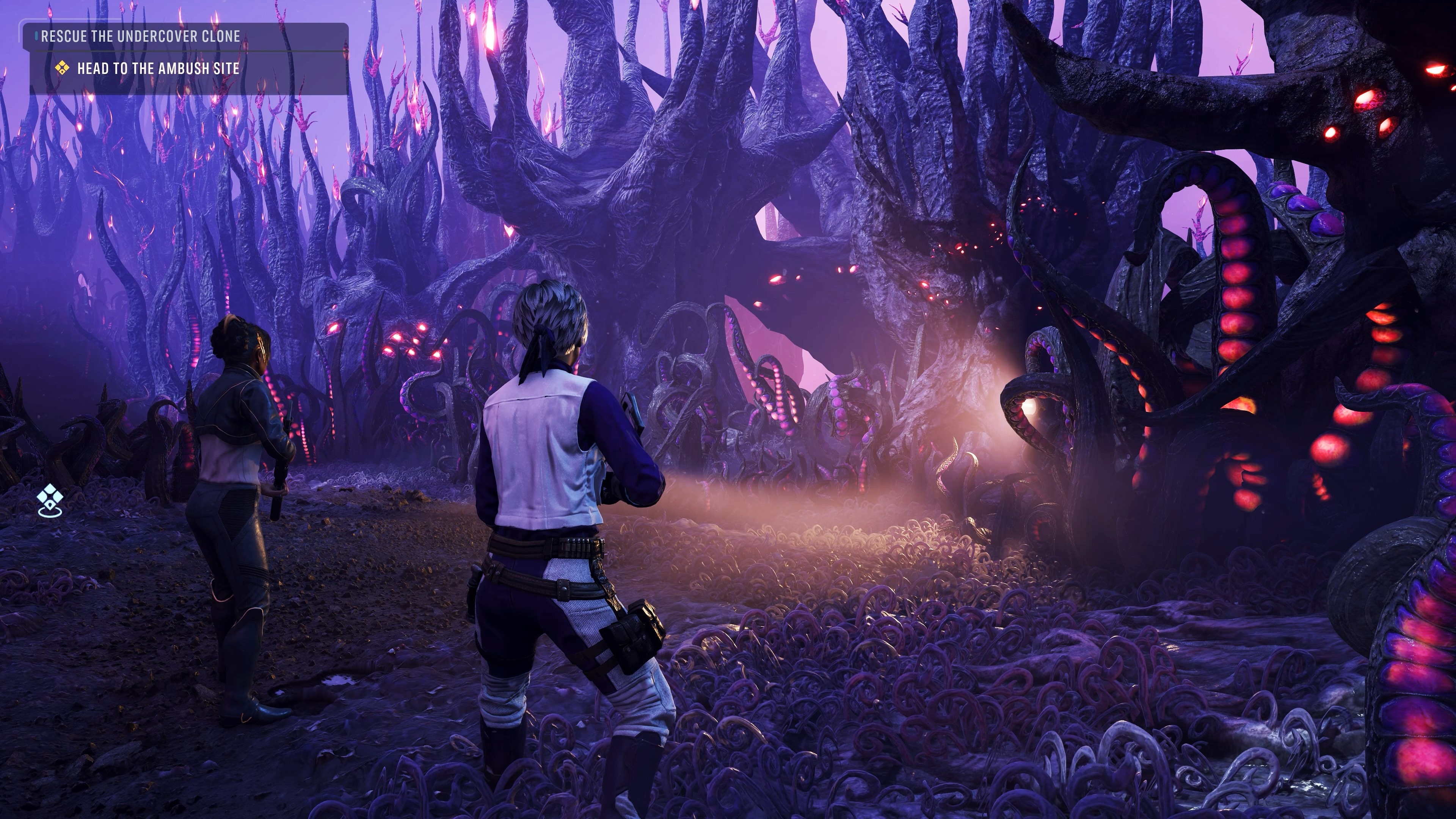
A Star Wars Game That Doesn’t Always Feel Like One
Visually, Zero Company is perfectly fine, but it never really impressed me.
The art style isn’t particularly distinctive, and the graphics aren’t something I would consider a major selling point.
The same goes for the music.
For a Star Wars game, I expected the soundtrack to be something that would stick with me. Unfortunately, it never reached that level.
The game absolutely looks and sounds like Star Wars in places, but it doesn’t have the same audiovisual impact that some of the franchise’s best games have managed to achieve.
And considering how iconic Star Wars’ music is, that’s one area where I wanted more.
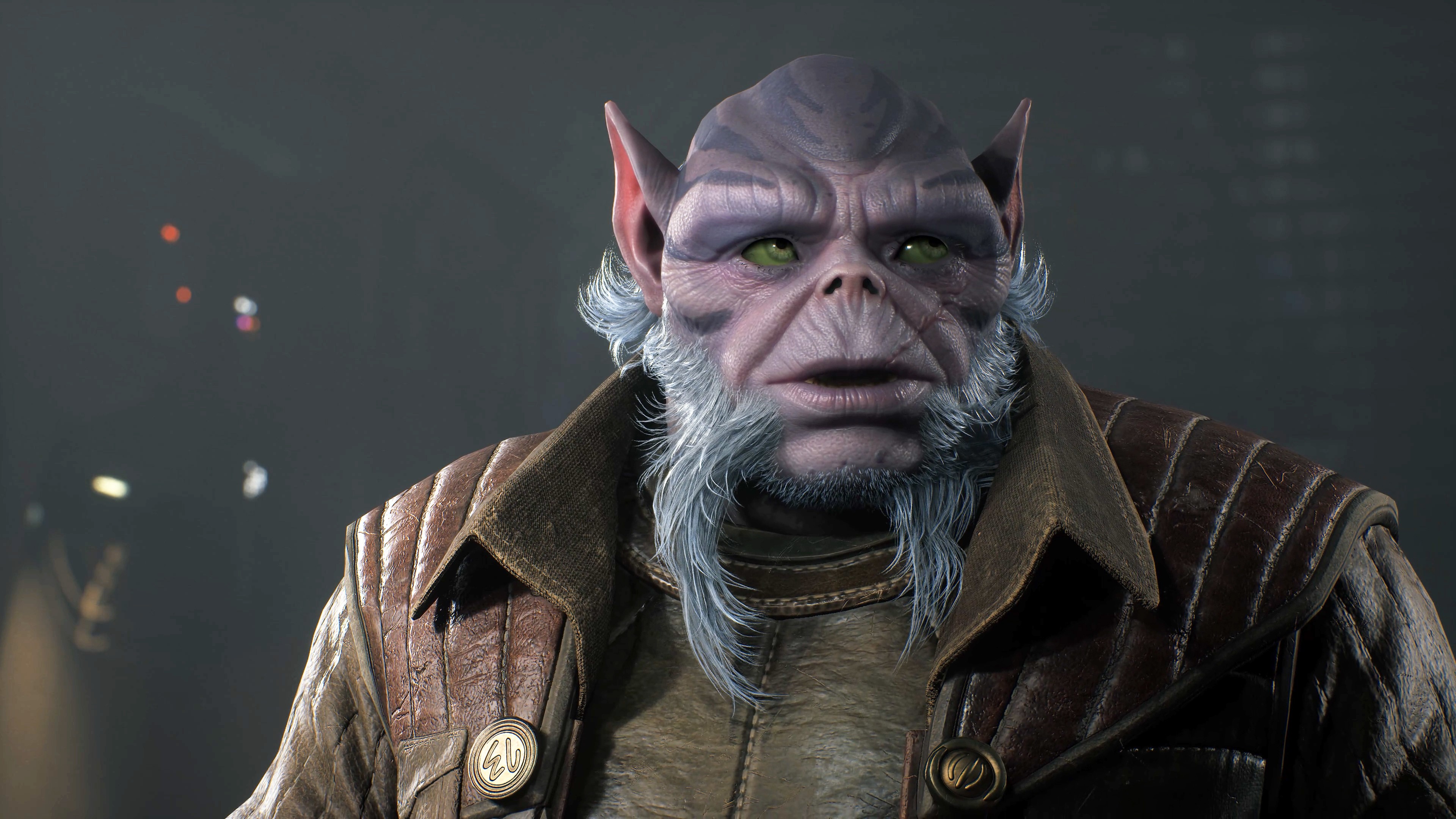
The Best Part of the Game Isn’t the Combat
That’s the strange thing about Zero Company.
The game is built around tactical combat, but the thing I’ll remember most is everything that happens between the battles.
I’ll remember the conversations.
I’ll remember getting to know the operators.
I’ll remember their personal missions.
I’ll remember the relationships they developed with one another.
I’ll remember the moments where I realized I could actually lose one of them.
Those are the moments that gave Zero Company its personality.
The developers clearly put a lot of effort into making the squad feel like a group of actual people rather than a collection of units on a battlefield, and it worked on me.
I became attached to my team.
And when a game can make me care about whether one of my operators survives a mission, it’s doing something right.
Final Verdict
Star Wars Zero Company is a good tactical RPG with a genuinely enjoyable cast and a strong foundation.
Its biggest strength is also its most surprising one: the characters.
The combat is well designed and can be incredibly satisfying, but it gradually becomes repetitive. The large roster doesn’t always encourage experimentation, the free-roaming sections feel unnecessary, and some technical issues can make already lengthy battles even more frustrating.
At the same time, the strategic map, character bonding, customization, and personal missions give the game plenty of depth outside the battlefield.
I also think the familiar XCOM formula works incredibly well within Star Wars, even if I occasionally wished Zero Company did more to establish an identity of its own.
With some additional polish — particularly a fast-forward option, better enemy-turn handling, more combat variety, and some technical fixes — the experience could be considerably better.
But even with its shortcomings, I never regretted spending time with this crew.
Star Wars Zero Company isn’t the best tactical game I’ve played, and it didn’t completely live up to its potential for me. But it has a fantastic foundation, an enjoyable cast, and some genuinely great ideas.
For me, the battles eventually became a chore.
The people were what kept me playing.
|
|
|---|---|
Excellent character interactions | Combat becomes repetitive |
Interesting personal stories and character missions | No fast-forward option during enemy turns |
Great Bonding system | Enemy freezes can force battle restarts |
Strong tactical foundation | Some enemy turns take far too long |
Meaningful decisions on the galaxy map | Large roster doesn’t always encourage experimentation |
Plenty of customization | Free-roaming sections feel unnecessary |
Finding the right squad is satisfying | Graphics and art direction aren’t particularly memorable |
Star Wars and XCOM-style tactics are a natural fit | Soundtrack doesn’t leave much of an impression |
Story has relatively few truly memorable moments |
Game score: 7/10
Reviewed by: Ruba JaiousyReviewed On: PS5