
Life is Strange Reunion Review
Life is Strange: Reunion feels like a true return to what made the series special, and a powerful, emotional send-off for Max and Chloe. From the very start, the game pulls you back into their world with a sense of familiarity, but also growth. It doesn’t just revisit their story; it builds on it in a meaningful way that feels natural and respectful to everything that came before.
One of the biggest strengths of the game is how much your choices truly matter this time. The series has always focused on decisions, but here they feel more important than ever. Small dialogue choices, how you treat certain characters, and even optional interactions can shape the story in noticeable ways. You can feel the impact building as you move forward, and by the time you reach the final chapters, it becomes clear that your journey is very personal. The ending is not just one fixed outcome, it changes based on your actions throughout the game, giving players multiple possible conclusions. This adds strong replay value and makes you want to go back and see how things could have turned out differently.
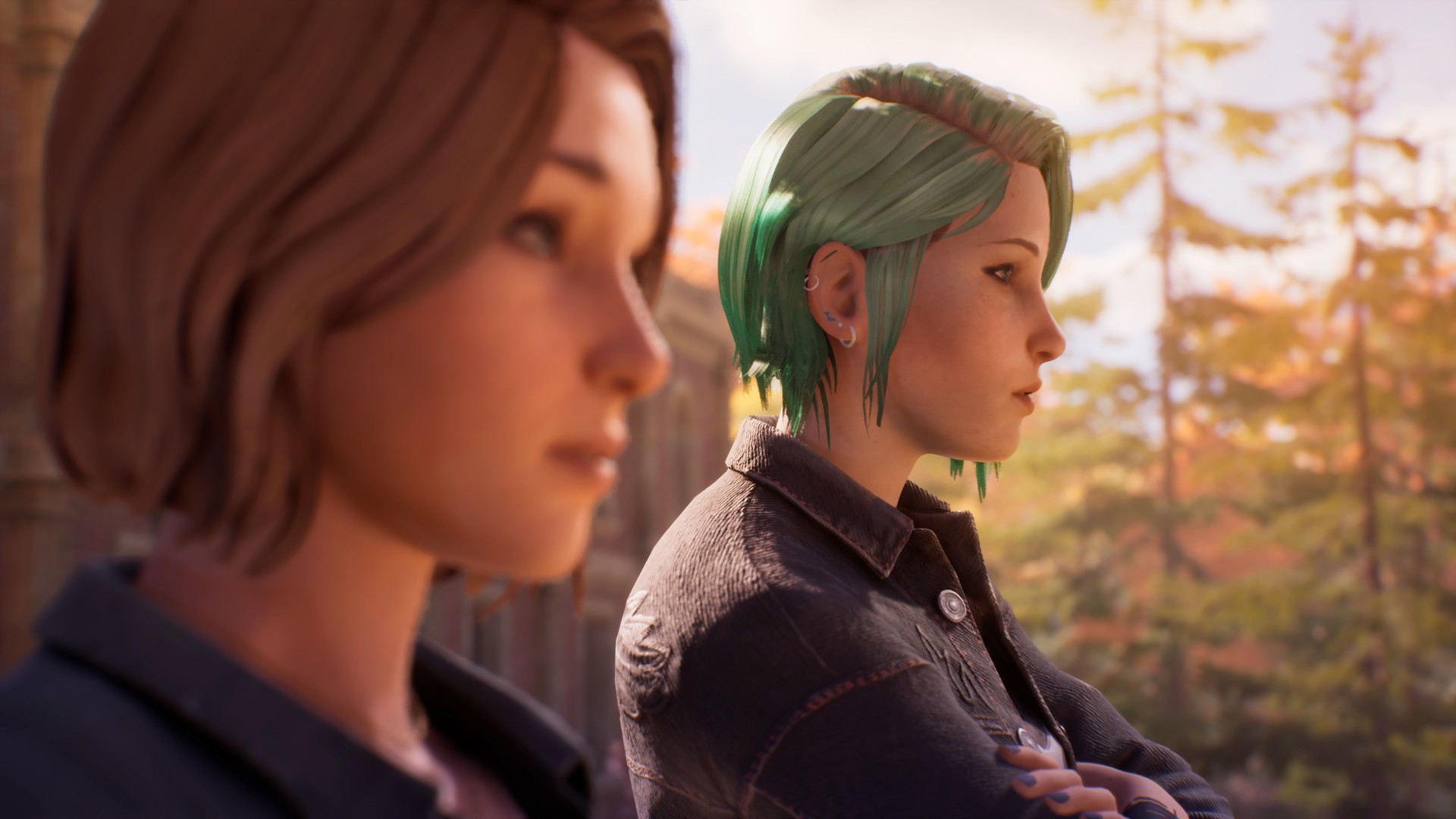
The story itself is rich, emotional, and carefully paced. It explores deeper themes while still keeping the focus on the bond between Max and Chloe. Their relationship feels real, with moments of warmth, tension, humor, and heartbreak. The game takes its time to let scenes breathe, allowing you to connect with the characters on a deeper level. There are several moments that hit hard emotionally, and they feel earned rather than forced.
Max’s powers are also expanded in a way that adds more depth to both the gameplay and the story. Without losing the core idea of her abilities, the game introduces new ways to use them that feel fresh and interesting. These changes are not just for gameplay; they are tied closely to the story and help raise the stakes. At times, using her powers feels riskier and more emotional, which adds tension to certain decisions.
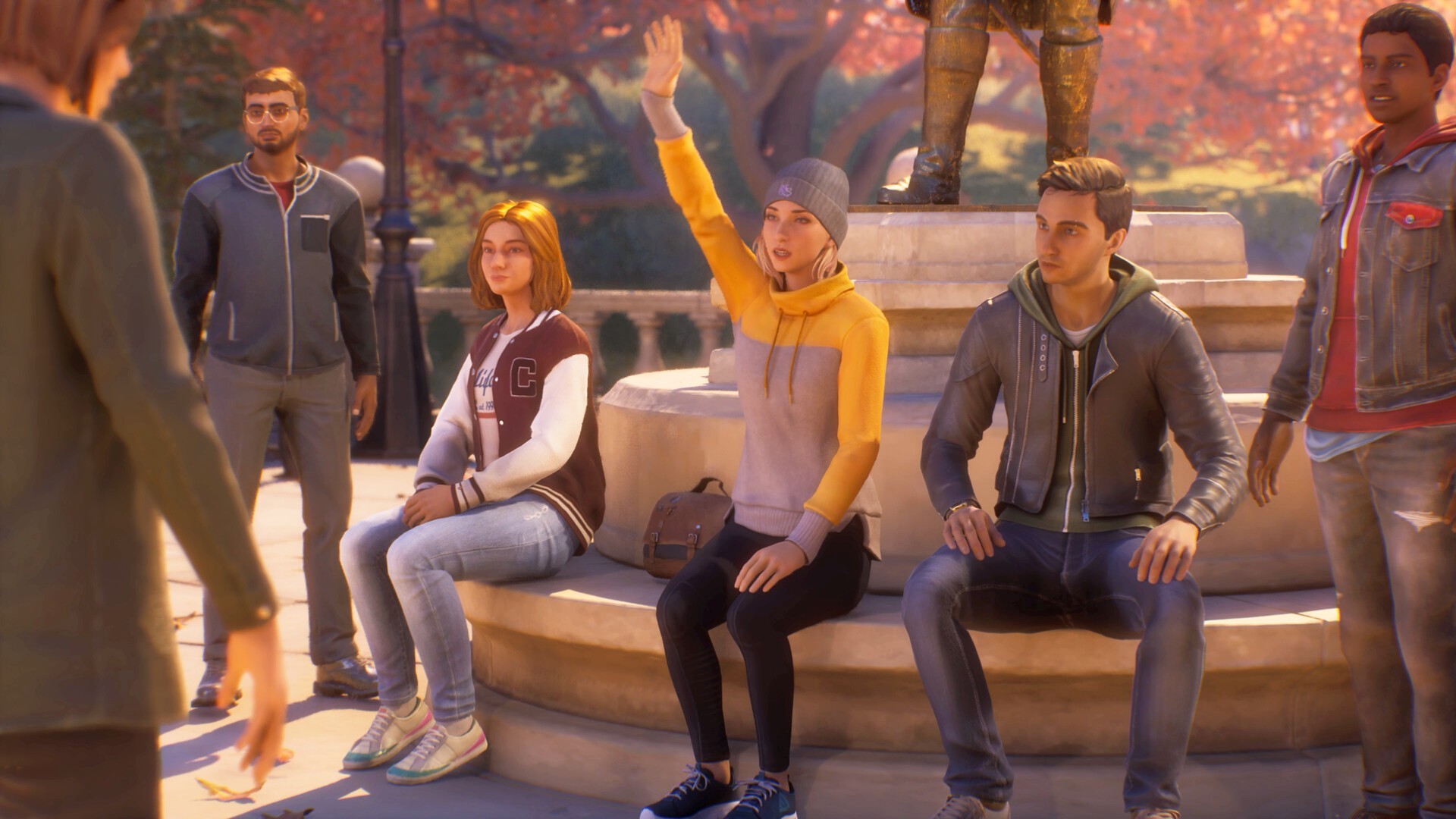
Gameplay remains familiar, which works in its favor. You explore different environments, talk to characters, look for clues, and search for hidden photographs. These photo moments are still a highlight, offering quiet breaks where you can take in the world around you. The side interactions are also well done, giving more background to characters and making the world feel alive. Taking the time to explore is rewarding, as you often find small details or moments that add more meaning to the overall experience.
The environments are detailed and full of personality. Each location feels carefully designed, with small touches that make it feel real and lived in. Whether you’re walking through quiet areas or more active spaces, there’s always something to notice. The game encourages you to slow down, look around, and take everything in.
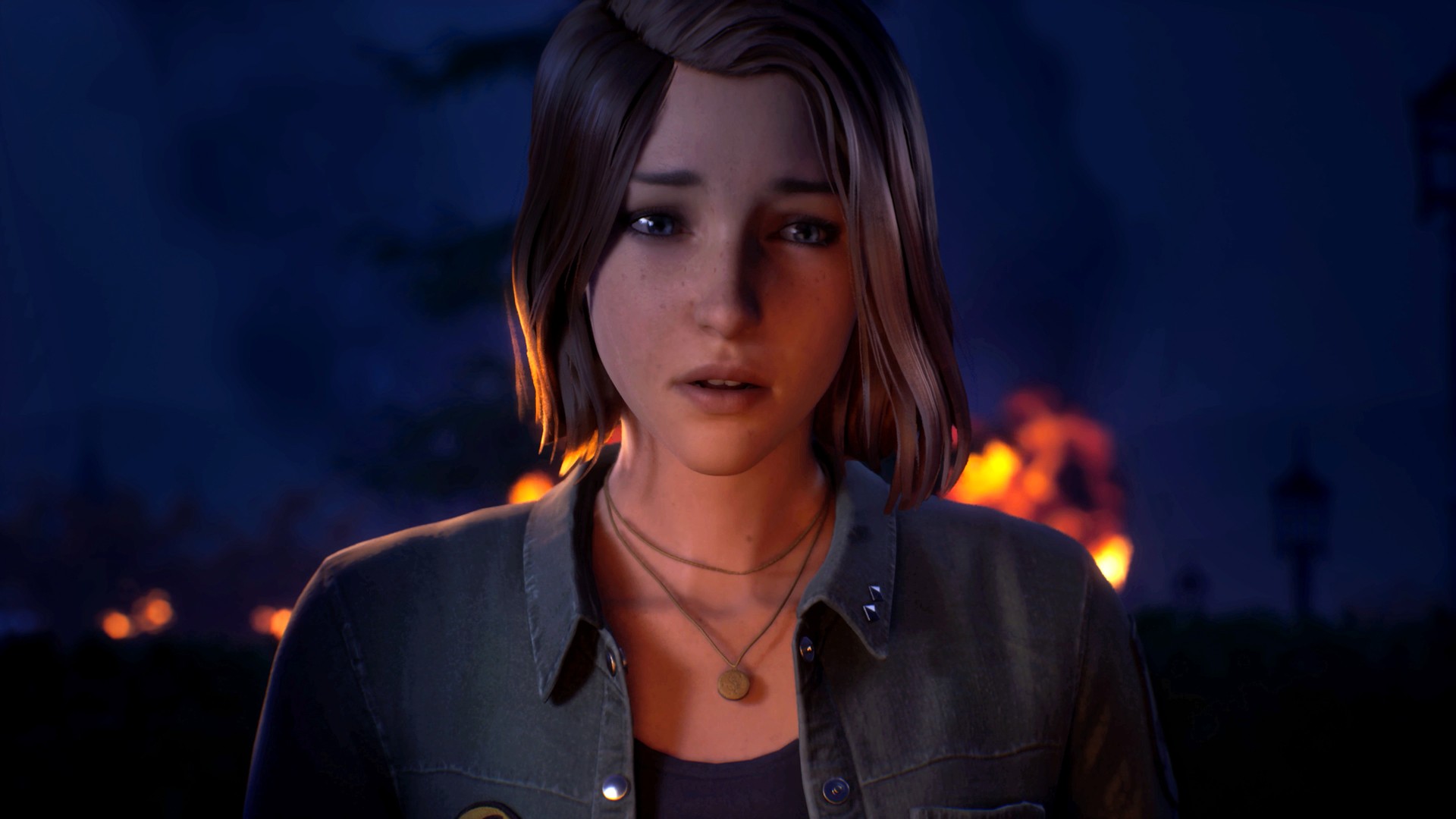
The soundtrack once again plays a big role in setting the tone. Music has always been important in the series, and here it continues to shine. The songs are placed at the right moments, helping to build emotion and connect you even more to what’s happening on screen. Combined with the visuals and writing, it creates a strong atmosphere that stays with you.
Character writing is another highlight. Beyond Max and Chloe, the supporting cast feels well developed and important to the story. Your interactions with them can change how they see you and how their own stories play out. This makes the world feel connected, and it gives you more reason to care about everyone involved.
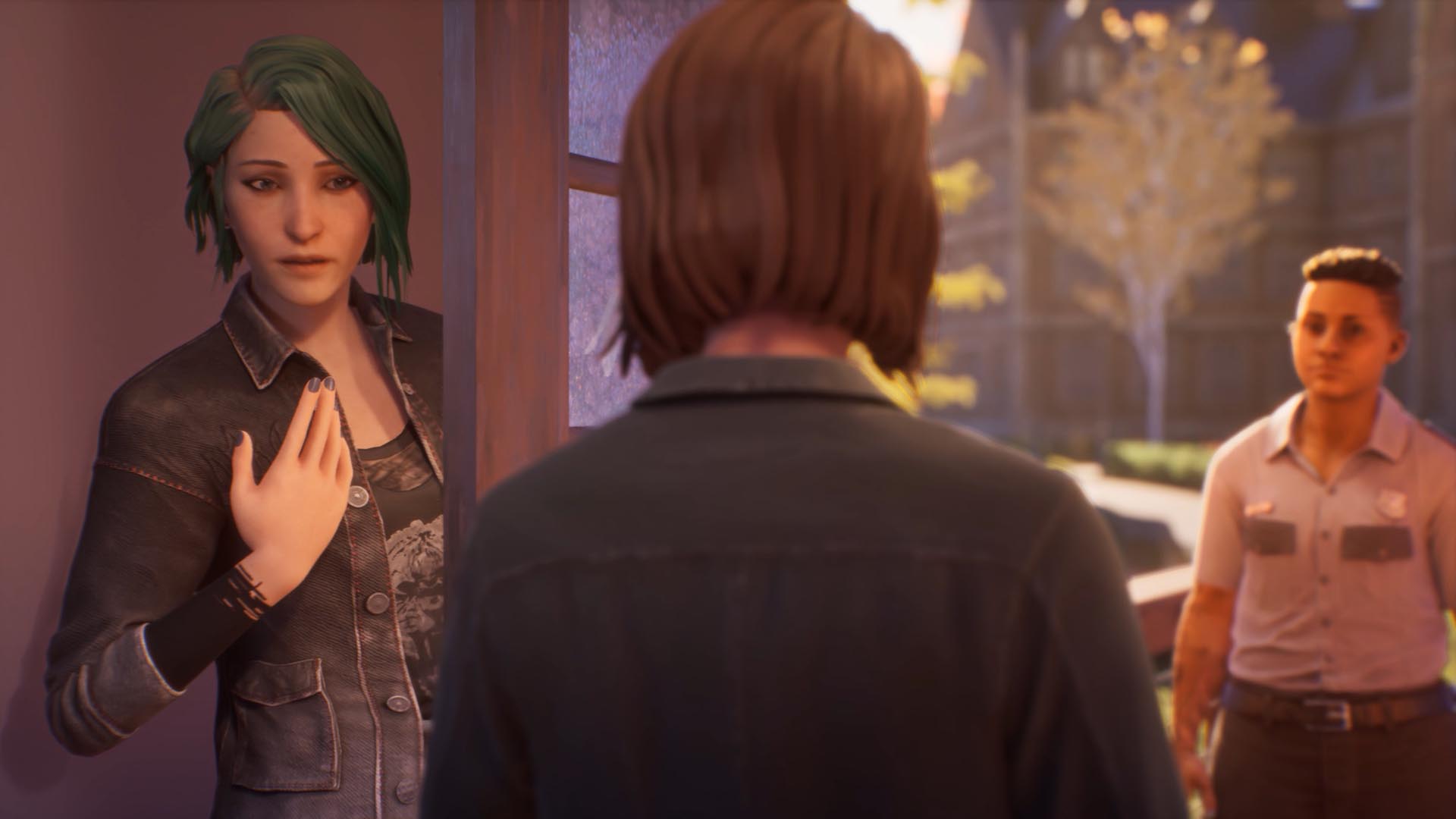
Even though the gameplay formula hasn’t changed much, it doesn’t feel outdated. Instead, it feels like a refined version of what the series does best. The focus remains on storytelling, characters, and choice, and that’s where the game truly shines.
Overall, Life is Strange: Reunion is one of the strongest entries in the series. It delivers a deep and emotional story, meaningful choices, and a satisfying conclusion for its main characters. It respects longtime fans while still feeling fresh enough to stand on its own. It may not reinvent the gameplay, but it doesn’t need to, because what it offers is a memorable and heartfelt experience that stays with you long after the credits roll.